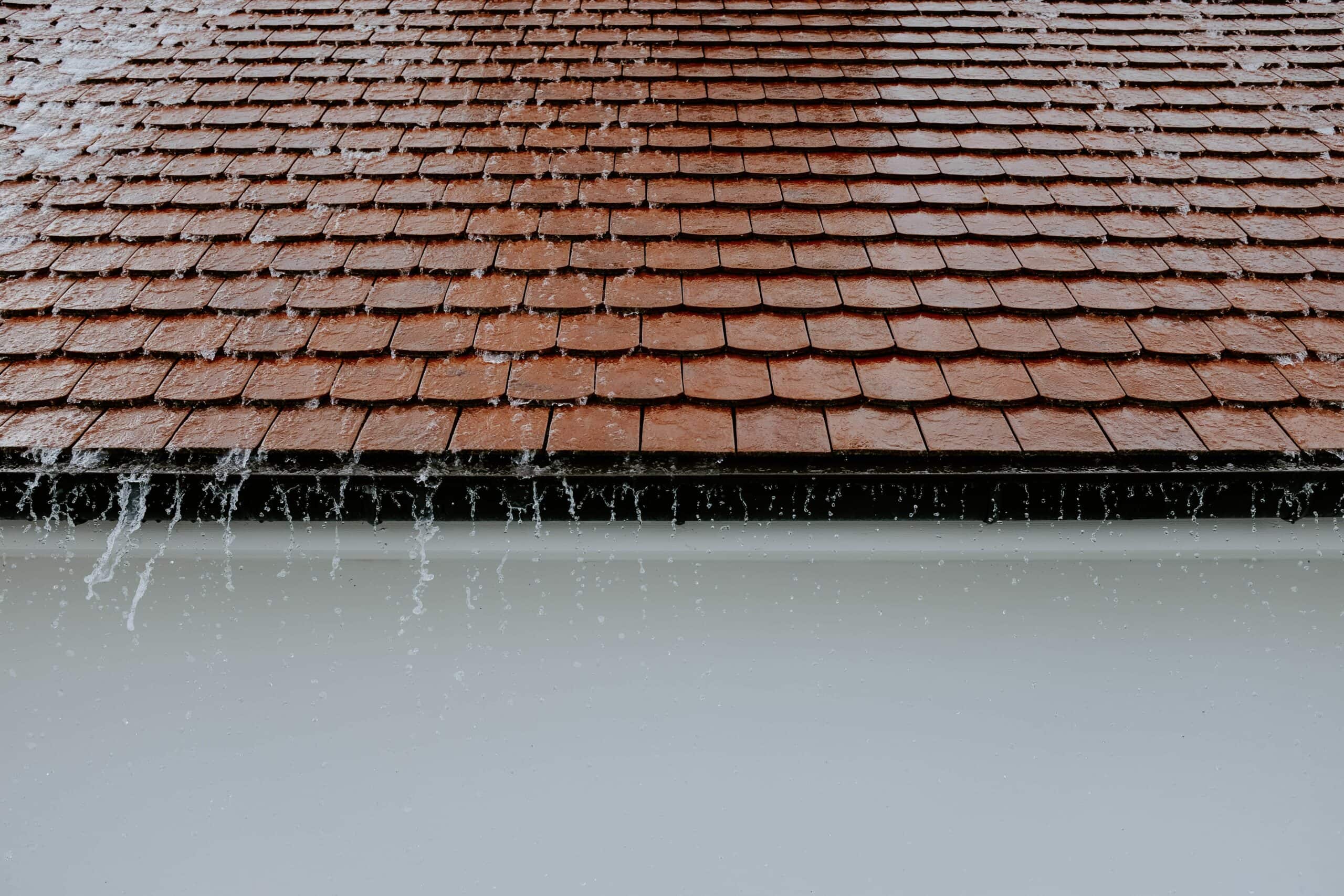
How Heavy Rain Damages Desert Roofs (And What to Look For)
Living in Southern New Mexico means roofs spend months baking under the sun before facing torrential downpours. That drastic contrast creates serious stress for residential and commercial roofing systems alike. When heavy rain hits the Mesilla Valley, water finds the path of least resistance—testing every seam, seal, and shingle on your home.
At Unique Roofing, we are Las Cruces' trusted roofing experts. We proudly serve both residential and commercial properties, covering everything from family homes to large commercial flat roofs. Whether your property requires minor leak detection, shingle patching, or full structural tear-offs, our team handles all repairs and replacements. We are also on standby with fast-response repairs for wind, hail, and monsoon damage.
Here is how torrential rain affects your roof and what warning signs you should look for after the clouds clear:
1. Ponding Water on Flat and Low-Slope Roofs
The Problem: Standing water that remains on a roof surface for 48 hours or longer after a downpour.
The Impact: Water weighs roughly 5.2 pounds per square foot per inch of depth. Excessive ponding stresses framing, speeds up UV degradation around the waterline, and rapidly breaks down seams in modified bitumen or TPO systems.
2. Wind-Driven Saturation Beneath Shingles
The Problem: Heavy rain rarely falls straight down in the desert; it is driven horizontally by strong gusts.
The Impact: Even if asphalt shingles appear intact from the curb, high winds can lift shingle tabs just enough for driving rain to penetrate underneath. If the underlayment is aged or brittle, water seeps straight into the plywood decking.
3. Flashing Uplift and Joint Leaks
The Problem: The metal seals around skylights, chimneys, swamp cooler stands, and vent pipes taking on concentrated runoff.
The Impact: Desert heat dries out mastic and sealants around flashing over time. When a deluge strikes, water cascades down valleys and forces its way through dried caulk, leading directly into ceiling cavities.
4. Gutter Overload and Fascia Rot
The Problem: Gutters clogged with windblown dust and desert debris overflowing during sudden cloudbursts.
The Impact: When water cannot exit downspouts fast enough, it pools along the eaves and spills backward against the fascia board. This leads to hidden wood rot along roof edges and can compromise your soffit ventilation.
5. Attic Moisture Traps and Mold Spread
The Problem: Slow, pinhole leaks entering the attic space undetected.
The Impact: Even if water does not immediately drip through your living room ceiling, damp insulation loses its R-value, wet rafters begin to warp, and mold can bloom within 24 to 48 hours in warm attic environments.
The Unique Roofing Difference Catching water intrusion early is crucial to preventing expensive structural repairs down the road. We take pride in our localized, community-first approach and back our work with industry-leading warranties. We also understand that roof repairs or replacements are significant investments, which is why we offer flexible financing options to ease the financial burden on homeowners, alongside special savings for Military families.
Has your roof weathered a heavy downpour recently? Contact Unique Roofing today to schedule your comprehensive post-storm inspection!